Where Strategy Meets the Shelf: Driving Summer Sales
Summer is one of the most important seasons of the year for liquor stores, but the stores that perform best are not the ones with the most inventory. They are the ones that make it easiest for customers to make a decision. The difference shows up at the shelf, where strategy either guides the purchase or gets lost in it.
Customers are not walking into a store thinking about individual products. They are thinking about what they are doing that day. Whether it is a beach trip, a barbecue, or a weekend gathering, the buying decision is tied to an occasion. Stores that lean into this mindset see stronger results. Instead of simply stocking shelves, they create simple, intuitive bundles that match those moments. When the store does the thinking for the customer, the purchase becomes easier and larger.
Speed and convenience play a critical role in the summer. Customers want something cold, quick, and ready to go. Stores that prioritize cold inventory, place single-serve options near checkout, and create a layout that allows for fast movement consistently outperform. Cold product is not just a convenience feature. It directly impacts what customers choose to buy in the moment.
At the same time, customer behavior continues to split between value and premium. Some shoppers are focused on price, while others are willing to spend more for quality. The most effective stores do not sit in the middle. They guide the decision with clear positioning and make it easy for customers to trade up without pressure. Small shifts in how products are presented and recommended can significantly impact overall margin.
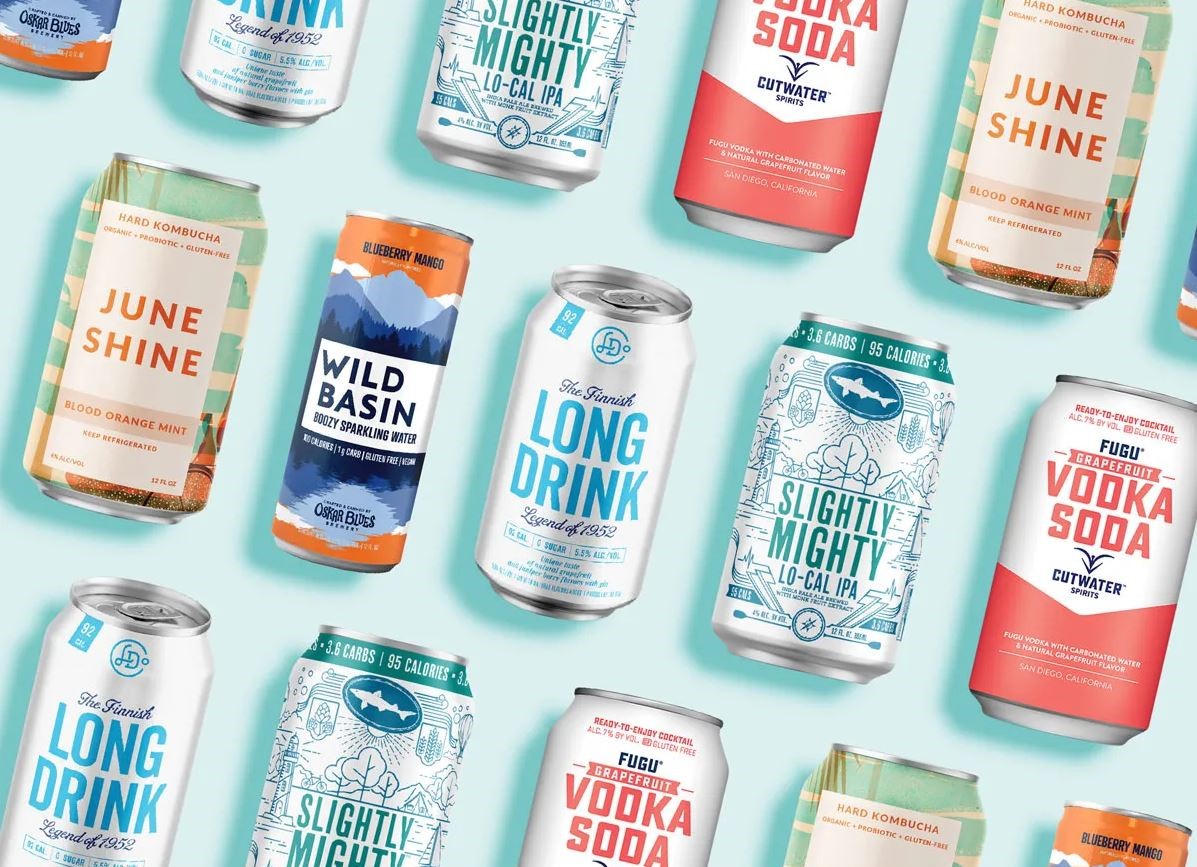
Tequila and ready-to-drink cocktails remain two of the most important categories heading into summer. Tequila continues to see strong demand, especially in higher-end expressions, while the RTD category continues to evolve toward more premium, experience-driven products. Aperol spritz-style RTDs, tequila-based options like ranch water and margaritas, and higher-end canned cocktails are all gaining traction. These products work because they combine convenience with a recognizable lifestyle-driven experience. Stores that separate premium RTDs from value options and merchandise them around occasions rather than just categories are seeing stronger performance.
Another key driver is variety. Customers are looking for something new, and stores that consistently highlight new arrivals and rotate inventory create a reason for people to come back. Whether it is local craft beer, limited releases, or seasonal items, creating visibility around what is new keeps the store dynamic and engaging.
Finally, non-alcoholic and low-alcohol products are becoming an increasingly important part of the mix. This category is growing and often carries strong margins, yet many stores still treat it as an afterthought. Positioning these products as a legitimate lifestyle option rather than a substitute creates a new revenue stream that aligns with changing consumer preferences.
The stores that stand out are not simply focused on stocking products. They are focused on guiding decisions. By aligning with how customers actually shop, simplifying choices, and highlighting the right categories, stores can drive both sales and profitability in a meaningful way.
Across the stores we work with, the difference is clear. The ones that treat shelf space as strategy consistently outperform those that treat it as storage. Small adjustments in layout, product mix, and positioning often drive outsized results. That is where experience matters, and where the right approach can change the trajectory of a store.
